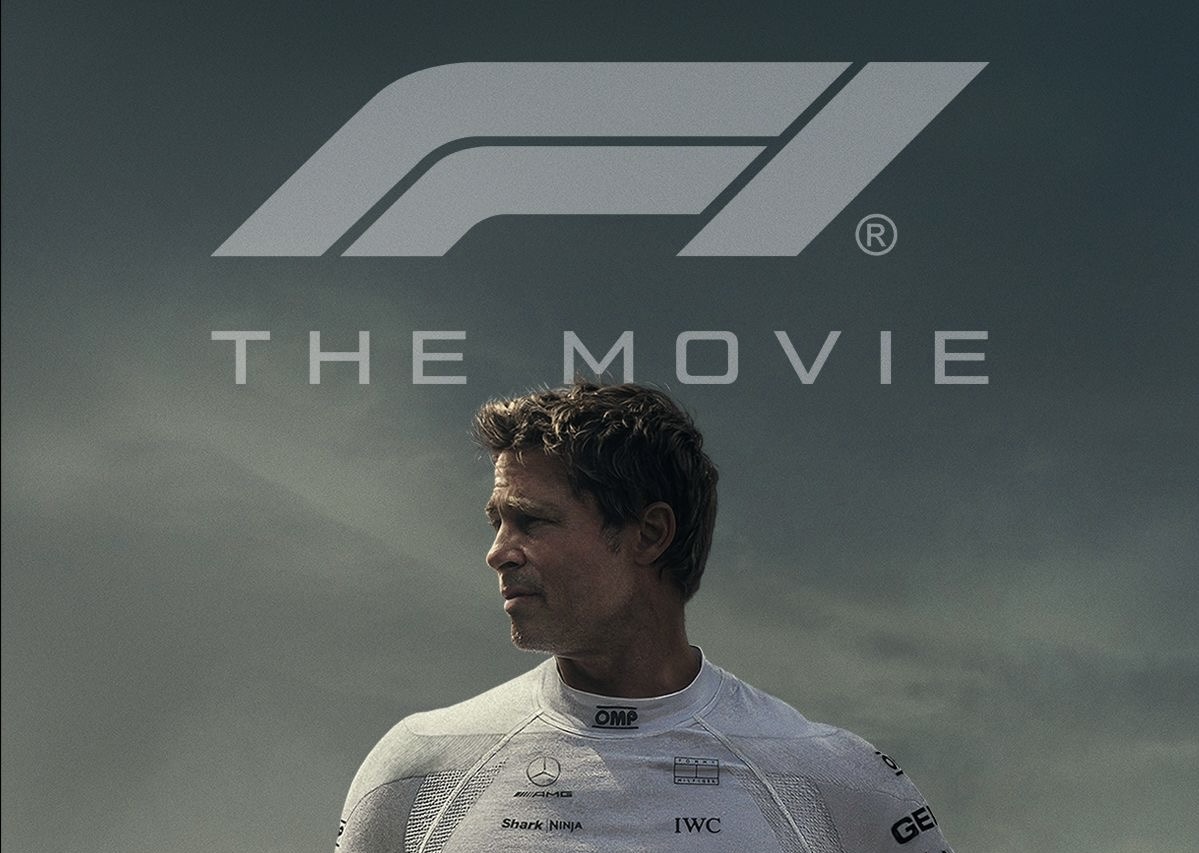
Half-Baked Representation in the F1 Movie
As an avid Formula One fan, I was genuinely excited for F1: The Movie. After watching the movie, it left me with a lot to think about.
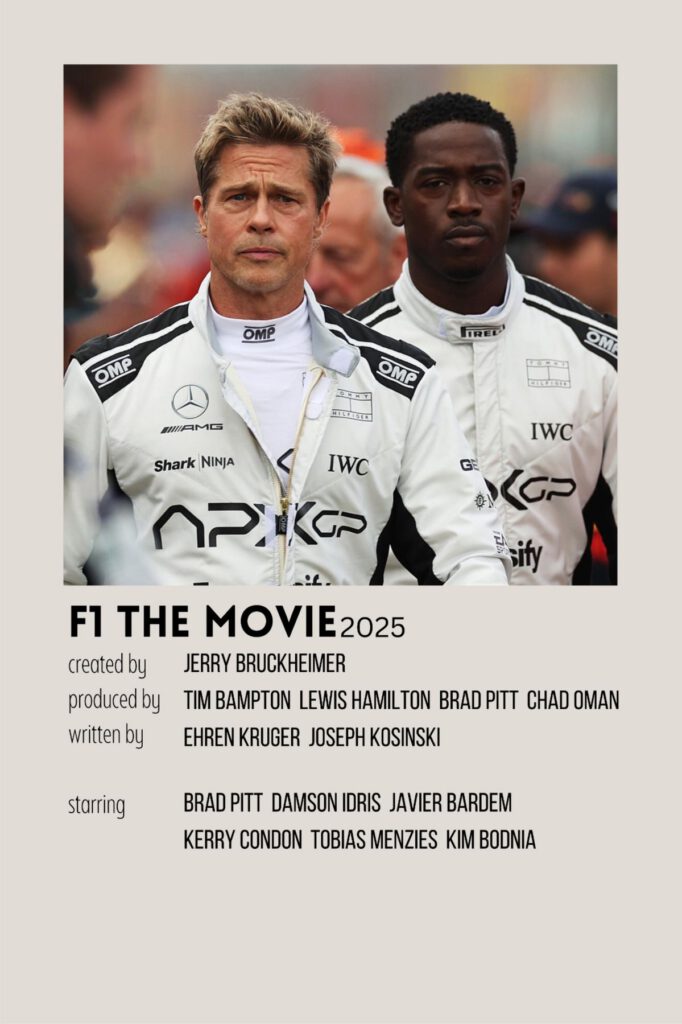
To be fair, the movie was not all that bad. It definitely had memorable parts that kept me longing for more. The cinematography was absolutely stunning. The racing scenes felt so immersive and thrilling. The way the camera angles shifted on the turns of the tracks, the vibrations of the engines, and the cheering of the crowd gave the scenes a real feel. The sound design and music could not be better, perfectly matching each scene. It gave the races real emotional weight and even got my adrenaline going. In fact, I know the movie brought many people over to the world of Formula 1.
My issue, however, is the way the movie gives negative portrayals on some aspects of the sport. The dialogue was painfully stiff and full of cliche lines that felt forced and unnatural. It felt as if the writers were more focused on sounding dramatic than writing characters that felt real. One of the most glaring issues, though, is the film’s lack of narrative focus. It juggles way too many plot threads from underdog comebacks, to technical drama, corporate politics, and team rivalries. The movie ends up rushing through them all and leaving us with even more questions than what we started with.
But to me, the film’s most disappointing aspect was the way its female characters were portrayed. Despite the movie promoting itself as progressive and inclusive, the women in F1: The Movie are written with frustratingly little depth or consistency. Take for example, Kate Mckenna, one of the most prominent women in the film, portrayed as the technical director of team APXGP. Instead of being able to showcase her intelligence and problem solving skills, she’s written to overlook basic aerodynamic concepts, like dirty air, until the white knight of the movie, Sonny Hayes, tells her to consider it. It makes no sense for someone of her skills and position to not be able to consider a pretty basic fundamental. It suggests that Kate is not competent without male guidance and is an insulting simplification of what women in STEM are capable of.
Similarly, Jodie, a pit crew gunner, is framed as overly emotional and mistake-prone. She’s shown to choke under pressure, and rather than developing it on her own terms, she only finds confidence after Sonny tells her “more is less”. Again, the film centers male guidance as the turning point for a woman’s growth, reinforcing the idea that women are incapable of achieving things on their own.
Perhaps the most frustrating example of badly written attitudes is Kate’s personality shift after sleeping with Sonny. It’s as if her entire confidence boost stems from that one moment, as if she needed to be desired by a man to believe in herself. Their relationship, which has no meaningful development and doesn’t even last, adds nothing to the story except another tired trope. In fact, it even pushes harmful stereotypes like how women in male dominated fields need to ‘sleep around’ to be successful. And we know from successful women in male-dominated fields like Bernie Collins or Suzie Wolf; women are unfairly held to a different standard than men.
While I understand romance in sports movies, having Kate sleep with her driver insinuates harmful messages and frankly, is a bit tone deaf to the struggles women in professional sport settings’ face. Not addressing these issues is a missed opportunity that could’ve added so much more depth to the movie. In a film that had every opportunity to showcase strong women in a male-dominated field, F1: The Movie has sadly missed the mark, reducing them to characters whose success fluctuates by the men around them.
We as a society need to understand that representation isn’t just about placing women on a screen and calling it a day. It’s about fleshing out their characters and giving them a chance to highlight their struggles.