Hunger for Safety: Women and Their Fight for Survival in Women Talking
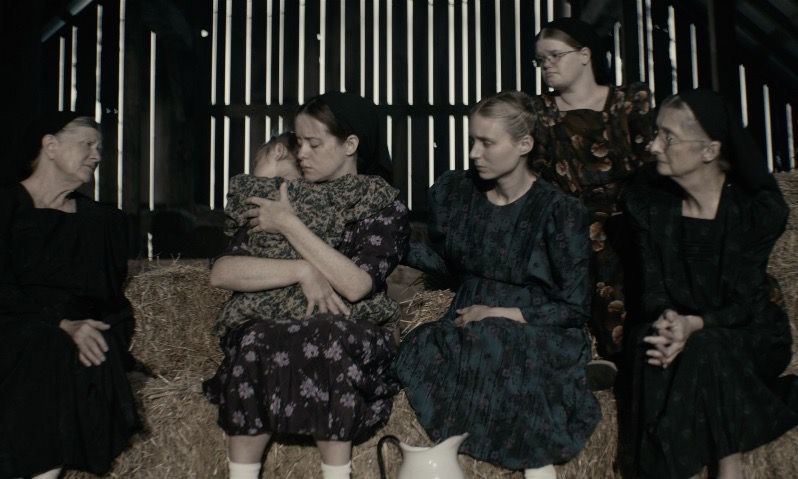
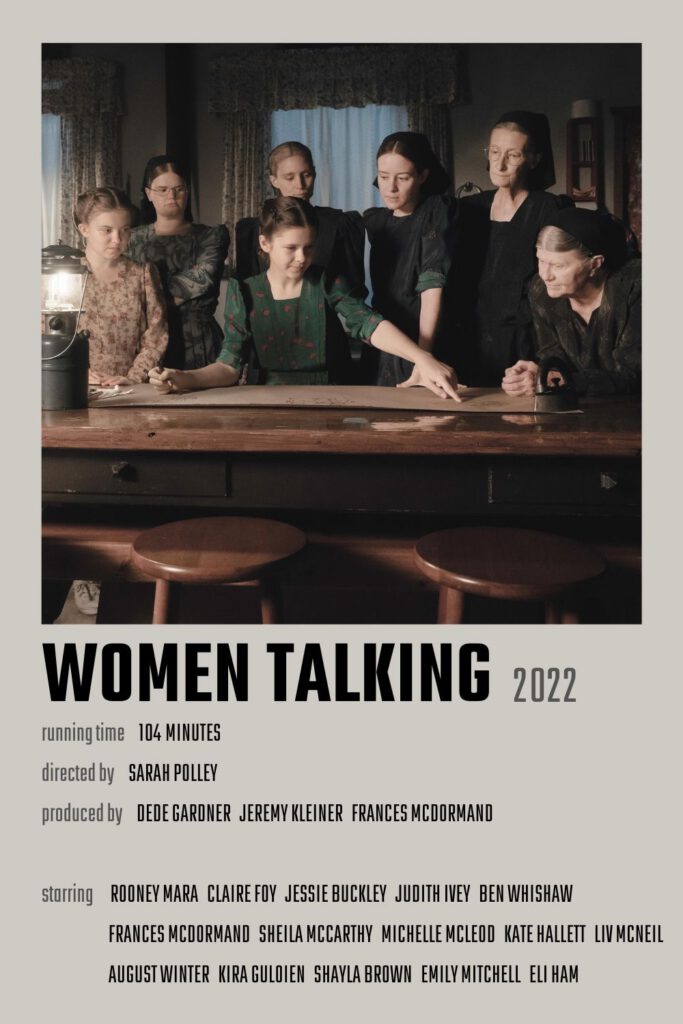
Woman Talking, a movie set in 2010, follows a group of women in an isolated colony who discover that the men in their colony have been drugging and sexually assaulting them at night. After the truth comes to light, the men responsible are taken away to “face charges” in town. Given a bit of time away from the men, a group of women elected to represent all the colony’s women gather in the hayloft to decide their next course of action.
At the start of their talks, the women have subconsciously split into three decisions. Some cling to the belief that forgiveness is their only moral choice, fearing spiritual damnation if they resist. Others feel deep anger and a desire for change but are unsure how to achieve it without jeopardizing their safety or that of their children. The rest believe that packing up their things and leaving without a trace is the best choice.
Through hours of intense, often painful conversation, they begin to question the rules that have kept them silent. As they share personal stories of abuse and injustice, their individual voices merge into a shared determination to break free. By the end, they transform from passive victims into active decision-makers, willing to leave the only life they’ve known to protect themselves and future generations.
Historically, such closed communities can isolate members from legal systems and outside support, making it nearly impossible for women to leave or report abuse. These restrictions shape the women’s fear of the unknown, but also fuel their determination when they realize that staying means continued harm.
While most men in the film are absent, their power and control linger over the women’s lives. The perpetrators are shown indirectly through the women’s stories. Some men, like August, the schoolteacher, are portrayed more sympathetically. August is supportive, listens without interrupting, and uses his literacy to serve the women’s process rather than dominate it. Still, the overall male presence represents systemic authority, religious hierarchy, and physical control over the women’s options.
The dialogue-heavy format allows us to see the women challenge each other, yet grow into mutual respect and unity. Ultimately, they leave together, showing that solidarity is their strongest weapon.